Global – NSAN delivers GAIN programme
Global
Summary
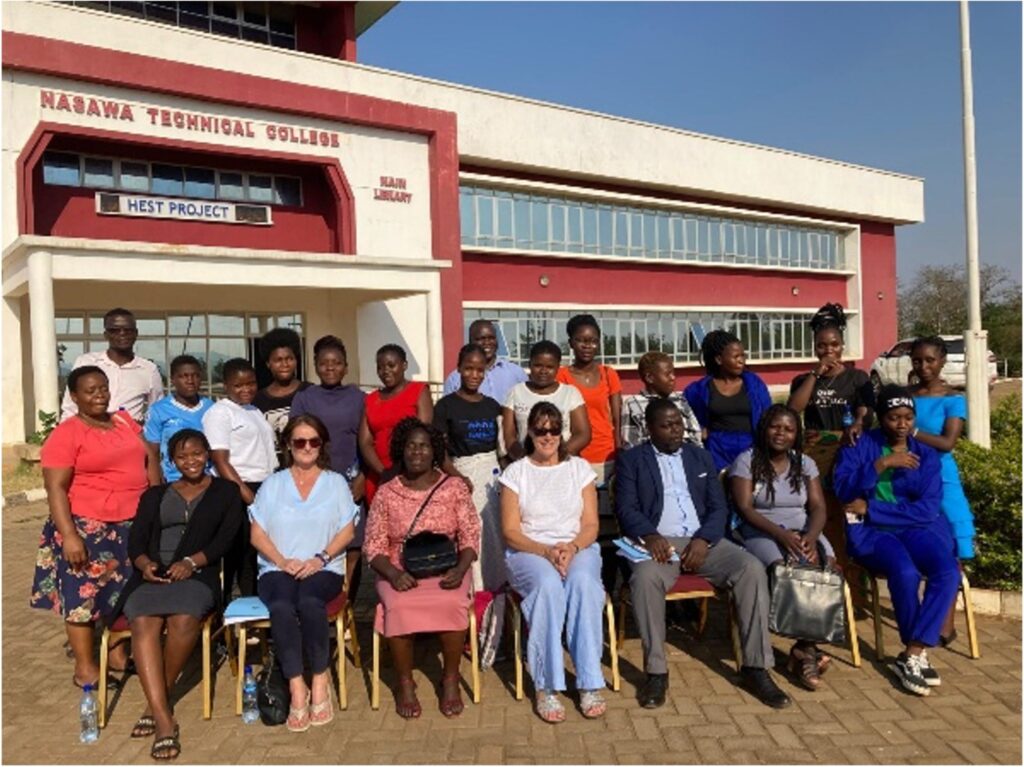
SERC partnered with four vocational colleges in Mozambique to embed Project Based Learning (PBL) and develop learners’ teamwork, communication, problem-solving and professional skills.
Through workshops, mentoring and study visits, staff explored PBL and the CDIO model, developed practical project briefs and introduced new approaches within their own colleges. By 2025, the partnership had moved beyond direct support, with Mozambique colleges increasingly leading PBL development themselves.
This resulted in four locally designed projects spanning food, hospitality, tourism and digital learning, alongside stronger mentoring and leadership capacity. Senior college leaders also visited SERC to explore curriculum innovation, employer engagement and PBL in practice, helping to establish the foundations for a national PBL network.
Despite severe flooding in February 2026, all planned activities were completed by March. The lasting achievement is not simply the delivery of new projects, but the capacity created within Mozambique’s colleges to continue developing and expanding PBL independently.




Stakeholder consultations across Mozambique identified a significant gap between Technical and Vocational Education and Training (TVET) provision and the skills required by employers. While many qualifications successfully develop technical knowledge, they often fail to equip learners with the broader soft skills and professional behaviours needed in the workplace, including communication, teamwork, problem-solving, adaptability and professionalism.
A major concern was that qualifications and curricula were not always aligned with labour market needs. Employers highlighted that programmes frequently focused on technical competencies without reflecting current industry standards or the wider skillset required for effective employment. In some cases, qualifications were developed before meaningful employer engagement had taken place, resulting in training that met only a limited range of industry needs. Although Sectoral Technical Committees had been established to support qualification development, stakeholders felt these mechanisms required strengthening to ensure that employer and market demands were fully understood before curriculum design begins.
The challenge was compounded by a lack of systems for developing occupational standards and profiles, making it difficult to ensure that qualifications accurately reflected workplace requirements. As a result, graduates often entered employment without the transversal skills needed to succeed and progress in their careers.
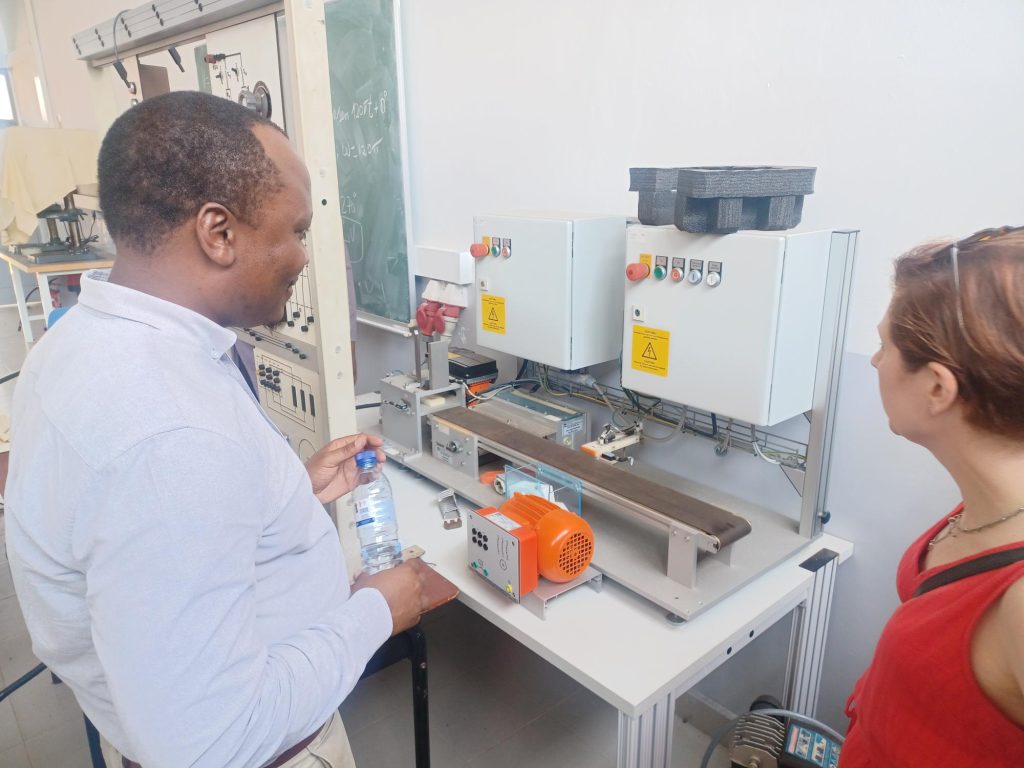
Training providers, employers and students also expressed concern that many trainers lacked recent industry experience. While pedagogical expertise was valued, stakeholders emphasised that trainers need regular exposure to industry practice and continuing professional development to maintain the relevance of teaching and effectively model workplace behaviours and professional standards.
Assessment practices presented further challenges. Although all students complete workplace internships, the skills and learning achieved during these experiences are not formally assessed. This was viewed as a missed opportunity to recognise and develop important employability skills. Employers were also largely absent from assessment processes, limiting opportunities to validate learners’ workplace competence. Concerns were also raised about inconsistent assessment approaches, burdensome evidence requirements and delays in certification, all of which reduced efficiency within the system.
Employer engagement was another significant challenge. Training providers often struggled to secure high-quality internship placements, and employers lacked incentives or structured guidance to participate effectively in learner development. This weakened the connection between education and employment outcomes.
Collectively, these findings highlighted the need for innovative approaches that strengthen employer engagement, develop transferable skills and introduce more learner-centred pedagogies.
The development of soft skills through Project Based Learning (PBL) emerged as a practical solution, enabling students to apply technical knowledge to real-world challenges while building the communication, collaboration, leadership and problem-solving capabilities increasingly demanded by employers.
Stakeholder consultations across Mozambique identified a significant mismatch between Technical and Vocational Education and Training (TVET) provision and the skills required by employers. While many qualifications successfully develop technical competence, they do not consistently equip learners with the broader employability and soft skills increasingly demanded by employers. They highlighted deficiencies in areas such as communication, teamwork, problem-solving, leadership, adaptability, professionalism and customer engagement, all of which are critical for workplace productivity.
A key concern was that qualifications and curricula were not always aligned with current labour market needs. Employers reported that many programmes prioritised technical competencies without adequately reflecting industry expectations or the wider capabilities required for effective employment. Consequently, many graduates entered employment with technical knowledge but lacked the transferable skills required to thrive, progress and adapt within changing work environments.
Training providers, students and employers also raised concerns regarding trainer capability and industry relevance. While tutors possessed valuable pedagogical expertise, many lacked recent industry experience and opportunities for continuing professional development. Stakeholders emphasised that educators need regular engagement with industry to maintain current knowledge, understand emerging workplace practices and effectively model professional behaviours for learners.
Assessment arrangements presented additional challenges. Although all students are required to undertake workplace internships, the learning and employability skills developed through these experiences are not formally assessed. This was viewed as a missed opportunity to recognise practical achievement and strengthen links between education and employment. At the same time, employer engagement in learner development remained inconsistent, with colleges often struggling to secure high-quality placements and meaningful industry involvement.
These findings pointed to the need for innovative approaches that promote learner-centred teaching, strengthen employer engagement and develop transferable skills alongside technical competence. Project Based Learning (PBL) emerged as a particularly effective solution, enabling students to apply classroom learning to real-world challenges while developing the communication, collaboration, leadership and problem-solving capabilities valued by employers.
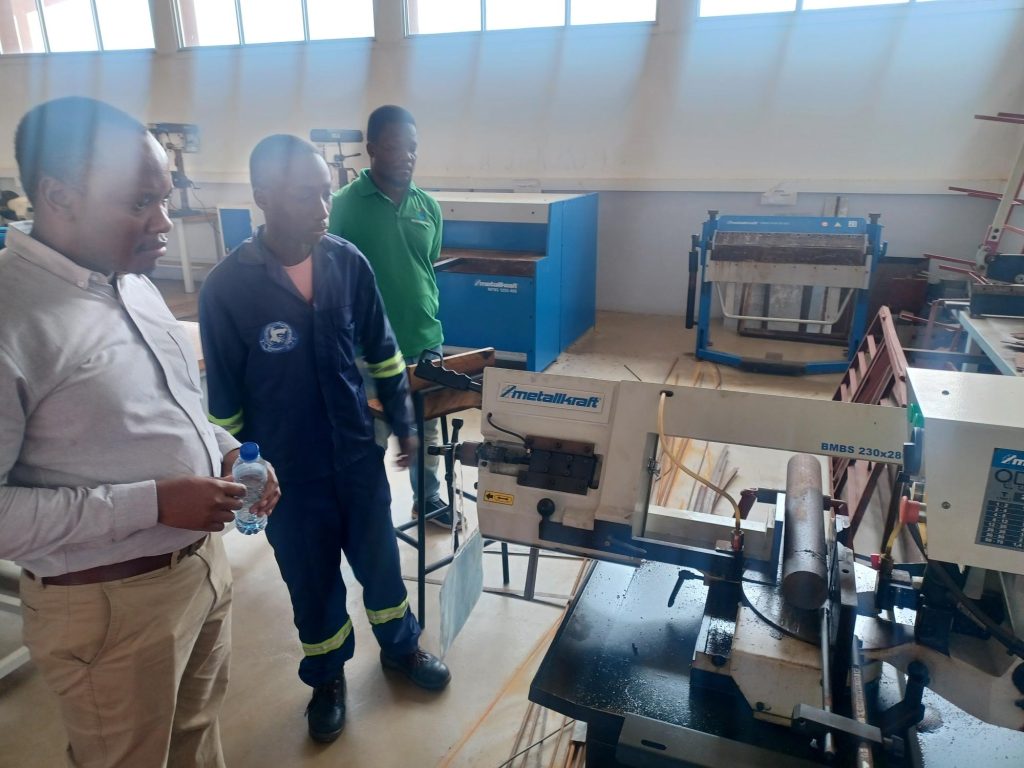
South Eastern Regional College partnered Mozambique colleges to introduce and embed Project Based Learning as a methodology for soft skills development. The project commenced with a comprehensive baseline review, involving online workshops to identify priority skills, assess existing teaching approaches and agree implementation plans. SERC shared its established PBL model through practical case studies and mentoring, supporting colleges to create student-led projects linked to local opportunities and community needs.
SERC facilitated continuous mentoring and coaching, helping teachers adopt more learner-centred and experiential teaching approaches. Baseline and end-line assessments demonstrated significant improvements in learners’ communication, leadership, teamwork, time management, problem-solving, negotiation and conflict-resolution skills.
Each college successfully developed and delivered a PBL initiative including a tourism information centre, a student-led culinary enterprise that generated income, and a guided tourism business. The projects increased learner engagement, encouraged entrepreneurship and provided authentic opportunities to practice workplace skills.
The project strengthened teacher confidence in PBL and secured endorsement from college leaders, many of whom committed to expanding the methodology across additional curriculum areas. The partnership created a sustainable foundation for future skills development, improved employability outcomes and strengthened the relevance of vocational education in Mozambique.
The project delivered significant and sustainable benefits for both the Mozambican partner colleges and South Eastern Regional College (SERC), creating lasting institutional change, improving employability outcomes for learners and strengthening international collaboration in technical and vocational education.
For the Mozambican partner colleges, the project successfully moved Project Based Learning (PBL) from a small-scale pilot initiative to a more strategic and embedded teaching approach. Teachers developed practical mentoring skills, increased their understanding of PBL methodology and gained experience in designing and delivering authentic, employer-focused projects across Hospitality and Tourism. Through online mentoring and implementation support, staff became more confident in facilitating student-centred learning and developing the soft skills increasingly demanded by employers.
A major achievement was the development of sustainable in-country capacity. Teachers who had participated in earlier PBL activities were equipped to mentor colleagues, creating a peer-support model that enables future expansion without continued external assistance. This has laid the foundations for long-term institutional change and ongoing quality improvement within the colleges.
Senior leaders also benefited significantly. Through the intensive study visit to SERC in October 2025, principals and managers gained a strategic understanding of curriculum innovation, employer engagement, entrepreneurship and PBL implementation. Exposure to SERC’s curriculum planning processes, sector-based curriculum hubs and industry engagement models helped leaders move beyond individual projects towards a college-wide approach to skills development. As a result, several colleges identified opportunities to extend PBL into additional curriculum areas and strengthen links with local employers.
The impact on learners was particularly evident through the successful development of real-world projects that addressed local opportunities and challenges. These included tourism initiatives, hospitality enterprises, ICT solutions and engineering-based projects. Feedback from students and teachers demonstrated that PBL significantly enhanced communication, teamwork, leadership, problem-solving, negotiation, time management and conflict-resolution skills. Baseline and final assessments confirmed measurable improvements across all identified soft skills categories.
Importantly, the project also generated wider economic and employment benefits. By strengthening transferable skills and work-readiness, participating colleges are now better positioned to produce graduates who meet employer expectations and contribute more effectively to local economic development. Enhanced employer engagement and the introduction of workplace-focused learning approaches have strengthened the connection between education and labour market needs.
For SERC and the wider UK TVET sector, the project reinforced the college’s reputation as an international leader in innovative pedagogy and capacity building. Staff enhanced their expertise in international partnership delivery, leadership development, mentoring and cross-cultural collaboration. The project also generated valuable case studies demonstrating how PBL can be adapted successfully across different countries, cultures and vocational disciplines.
The partnership strengthened long-term relationships between SERC and Mozambican institutions, creating opportunities for future collaboration, staff exchanges, resource development and international mobility. It also showcased UK expertise in vocational education, employer engagement and skills development, supporting the UK’s international education profile and contributing to wider educational and economic diplomacy objectives.
Perhaps the most significant long-term outcome is the establishment of a foundation for a national PBL network in Mozambique. Through collaboration between partner institutions, shared learning and leadership engagement, the project has created momentum for wider adoption of learner-centred teaching methods across the TVET system.
Overall, the project delivered sustainable capacity building, improved employability skills, stronger employer engagement, enhanced institutional leadership and a platform for continued UK-Mozambique collaboration, creating benefits that will extend well beyond the life of the programme.
SERC’s Project-Based Learning (PBL) pedagogy is a learner-centred approach that places real-world challenges at the heart of education and skills development. Rather than focusing solely on traditional classroom instruction, PBL engages learners in practical projects that mirror workplace environments, requiring them to apply knowledge, develop solutions, collaborate with others, and produce tangible outcomes.
SERC integrates PBL across a range of vocational, technical, higher education, and professional programmes. Learners work on industry-relevant challenges, often co-designed with employers, enabling them to develop technical expertise alongside essential employability skills such as problem-solving, communication, teamwork, project management, critical thinking, and innovation. This approach ensures that learning is both engaging and directly linked to current workplace needs.
SERC has successfully shared and implemented its Project-Based Learning (PBL) methodology across the UK and internationally, demonstrating its effectiveness in diverse educational and industry settings. This proven approach offers significant advantages to organisations seeking to develop workforce capability, drive innovation, and improve performance through experiential learning.
Organisations understand how to address real business challenges through learner projects, gaining fresh ideas and innovative perspectives while helping to shape future talent. Programmes can be tailored to sector-specific needs, ensuring participants develop the precise skills and competencies required by employers.
PBL also supports organisational development and workforce upskilling. Employees participating in SERC programmes can immediately apply new learning within their workplace, delivering practical improvements and measurable business benefits. The approach encourages continuous improvement, creativity, and a culture of innovation, helping organisations respond effectively to changing economic and technological demands.
Through extensive experience delivering industry partnerships, international projects, leadership development programmes, and employer-led curriculum design, SERC has refined a PBL approach that consistently delivers positive outcomes for learners and businesses alike. Clients benefit from work-ready talent, enhanced staff capability, stronger problem-solving capacity, and access to educational expertise that bridges the gap between learning and practice.
Ultimately, SERC’s Project-Based Learning model equips individuals and organisations with the skills, confidence, and adaptability needed to thrive in an increasingly complex and fast-changing world, creating lasting value for employers, communities, and regional economies.