Global – NSAN delivers GAIN programme
Global
Summary
SERC delivered a bespoke leadership programme for ten women from six TEVET institutions in Malawi, building confidence, leadership capability and the skills to champion greater gender equality across technical and vocational education.
The programme combined strategic leadership, innovation, change and project management, coaching and mentoring with practical application. Each participant developed a leadership project addressing one of two key challenges: increasing women’s representation in TEVET leadership or improving the participation, retention and progression of female learners in technical and vocational trades.
Projects tackled real barriers, from low female enrolment in traditionally male-dominated courses to leadership opportunities, learner support and stronger links with successful female entrepreneurs.
All ten participants successfully completed the programme, with two also achieving the CMI Level 5 Award in Leadership and Management. Participants reported increased confidence, stronger leadership aspirations and greater determination to influence change within the sector.
The programme has created a strong foundation for a more inclusive TEVET sector in Malawi and was Highly Commended in the Going Global Partnership Awards 2025.





Female students in Malawi’s Technical, Entrepreneurial and Vocational Education and Training (TEVET) sector continue to face many of the same challenges experienced across the wider education system. Physical barriers, discriminatory attitudes, restrictive gender norms and entrenched stereotypes all contribute to unequal access, participation and outcomes for women in TEVET, as well as limiting their progression into employment within traditionally male-dominated sectors.
Most TEVET programmes are concentrated in areas such as construction, engineering and information and communications technology (ICT), where female participation remains comparatively low. Between 2013 and 2018, women accounted for fewer than 35% of TEVET learners, prompting national policy targets to increase participation to 40%. Despite these ambitions, women remain significantly underrepresented in senior leadership and decision-making positions across the sector, reducing their influence on policy development and institutional change.
The 2021 policy brief, An Analysis of Women’s Leadership and Participation in Malawi, highlights how deeply embedded gender norms continue to shape unequal power relations between men and women. Structural and societal barriers, including the unequal distribution of unpaid care responsibilities, gender pay disparities, limited access to finance, gender-based violence and workplace sexual harassment, all restrict women’s opportunities to participate fully in economic and public life. The report further notes that women leaders are often judged against gendered stereotypes that perceive empathetic and collaborative leadership styles as less effective, creating additional obstacles to advancement. Nevertheless, the brief emphasises that inclusive and diverse feminist leadership is essential to sustainable development and social progress.
In response to these challenges, the partnership sought to strengthen the capacity, confidence and influence of women leaders within Malawi’s TEVET sector. The initiative aimed to equip participants with the skills and knowledge required to champion a more modern, inclusive and gender-responsive TEVET system that expands opportunities for women in both training and employment. A key objective was to empower participants to become role models, advocates and agents of change within their institutions and across the wider sector.
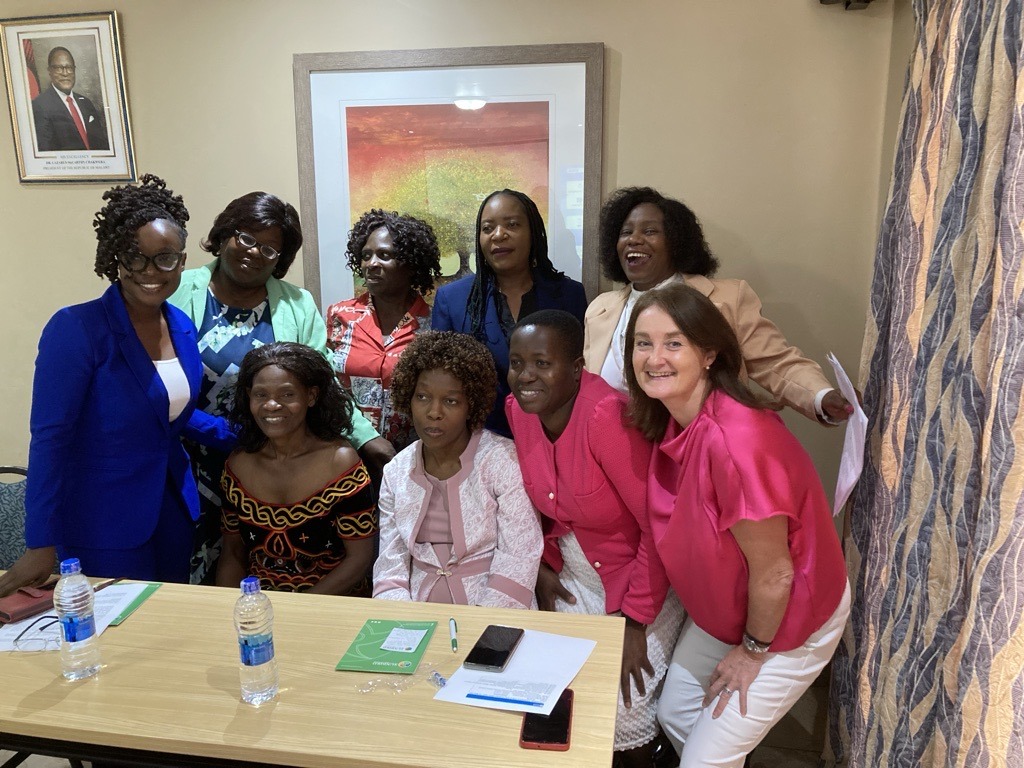
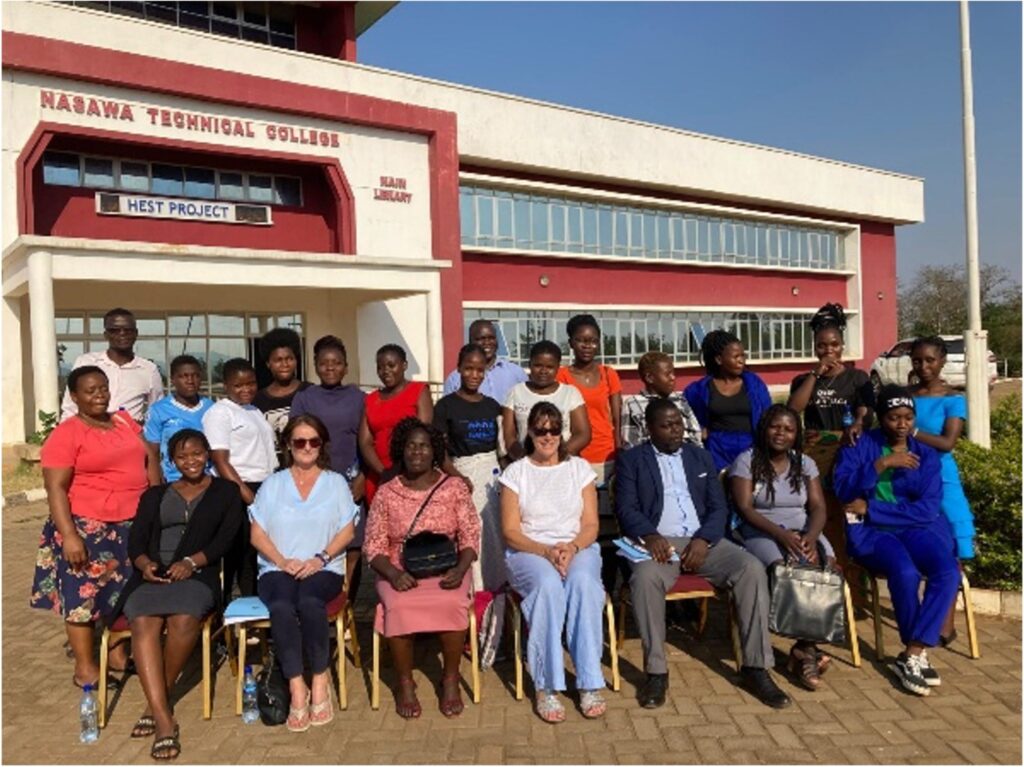
To achieve this, the South Eastern Regional College (SERC) team worked closely with the Ministry of Labour and the TEVET Authority to design and deliver a leadership development programme for ten women in leadership positions across the TEVET sector. Participants included government officials, principals, managers and instructors. The programme focused on developing core leadership competencies, including strategic thinking, influencing and stakeholder engagement, outcome-based accountability, governance and organisational management. Participants also undertook a study visit to the United Kingdom, where they shadowed senior leaders and explored examples of effective leadership practice.
Building on the success of the programme, an advanced partnership project was subsequently secured to support the continued development of participants’ leadership initiatives. This included tailored mentoring and coaching, complemented by a practical self-guided leadership toolkit designed to encourage ongoing professional growth, strengthen networks and enhance participants’ ability to influence policy and drive systemic change within Malawi’s TEVET sector.
To address the underrepresentation of women in leadership positions across Malawi’s Technical, Entrepreneurial and Vocational Education and Training (TEVET) sector, South Eastern Regional College (SERC) designed and delivered a comprehensive leadership development programme tailored specifically to the needs of female leaders. The programme was developed in partnership with the Ministry of Labour, the TEVET Authority and six participating institutions across Malawi, following a detailed Training Needs Analysis which identified confidence building, leadership capability, reflective practice and personal development as priority areas.
SERC’s solution combined leadership training, mentoring, international exchange and practical action research. Ten female participants, including government officials, college principals, managers and lecturers, took part in an eleven-module programme delivered between April and September 2024. The programme covered key leadership competencies including personal and professional development, strategic leadership, enterprise and innovation, change management, coaching and mentoring, leadership practice, project management and personal development planning. Sessions were highly interactive, encouraging participants to reflect on barriers facing women in leadership and explore practical solutions applicable within their own institutions.
A distinctive feature of the programme was the requirement for each participant to develop and implement a workplace-based leadership project addressing a gender-related challenge within the TEVET sector. These projects focused on issues such as increasing female enrolment in technical trades, improving retention of female learners, supporting women’s progression into leadership positions, and connecting female students with successful women entrepreneurs. Participants were coached by SERC staff in project planning, research methods, stakeholder engagement and evidence-based decision making to ensure their projects could deliver measurable and sustainable outcomes.
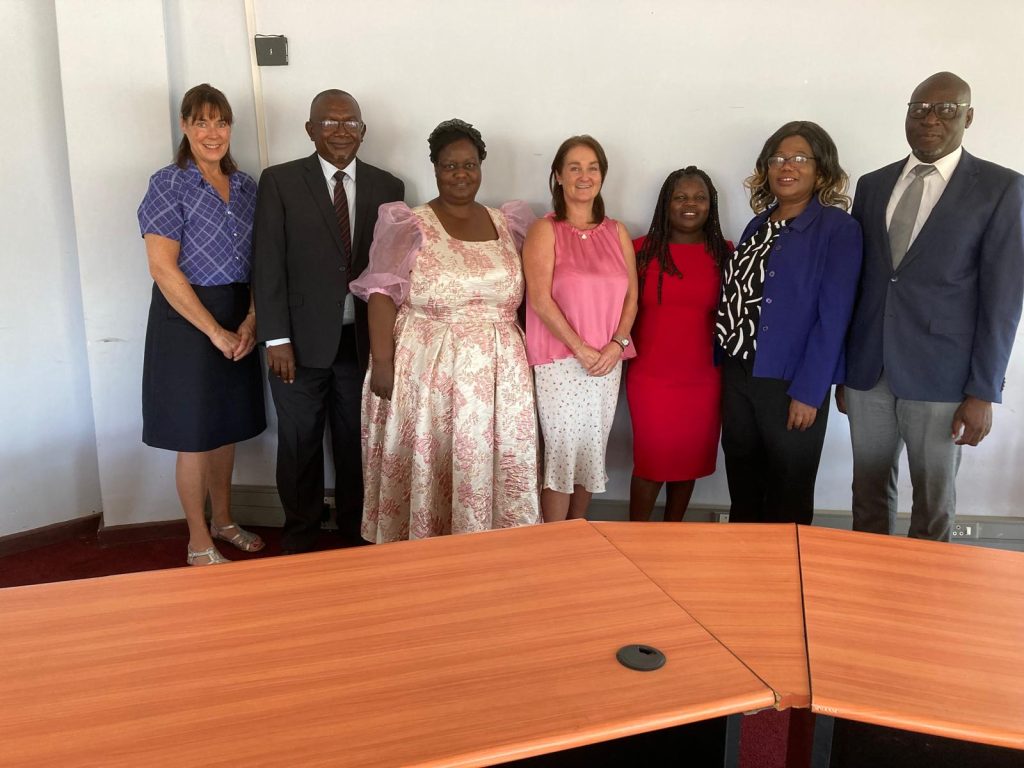
To broaden perspectives and expose participants to international best practice, SERC hosted an inbound study visit to Northern Ireland, where delegates engaged with senior leaders and explored leadership approaches within the UK further education sector. This was complemented by an outbound visit to Malawi, where participants presented their projects to senior stakeholders, including representatives from the British Council, the Ministry of Labour and TEVET institutions. All participants successfully completed the programme and graduated in October 2024.
Recognising the need for sustained support, SERC secured a follow-on partnership project to extend the impact of the programme. During this phase, participants received individual coaching and mentoring to further develop their leadership projects and strengthen their capacity to influence institutional and policy change. SERC also designed a practical leadership toolkit containing guidance on leadership development, influencing skills, policy engagement, mentoring and personal growth. The toolkit was created as a sustainable resource that can continue to support current and future female leaders across the Malawian TEVET sector.
Through this multi-faceted approach, SERC not only strengthened the leadership capabilities and confidence of individual participants but also helped establish the foundations for a stronger network of women leaders capable of driving gender equality, institutional improvement and long-term reform within Malawi’s TEVET system.
The partnership delivered lasting benefits for both the Malawian TEVET sector and the wider UK skills and education ecosystem by creating a sustainable pipeline of women leaders capable of influencing policy, driving institutional change and expanding opportunities for future generations of female learners.
For the partner organisations in Malawi, the most significant long-term outcome was the development of a cohort of confident, skilled and connected women leaders who are now better equipped to challenge barriers to participation and progression within the TEVET system. Through the leadership programme, participants strengthened their skills in strategic planning, project management, influencing, governance and change leadership. More importantly, they were empowered to apply these skills within their own institutions, enabling them to lead improvement initiatives and advocate for more inclusive policies and practices.
The workplace leadership projects developed by participants generated practical solutions to real sector challenges, including increasing female enrolment in technical trades, supporting women into leadership positions, improving learner retention and strengthening links between education and employment. These projects created immediate institutional benefits while also establishing models of good practice that can be replicated across the wider TEVET system. As participants progress in their careers, the influence of these initiatives is expected to extend well beyond the life of the project, creating a multiplier effect throughout the sector.
The project also strengthened collaboration between the Ministry of Labour, the TEVET Authority and participating institutions, creating a stronger network of stakeholders committed to gender equality and skills development. The subsequent mentoring, coaching and leadership toolkit ensured that learning was embedded and sustained, supporting continued professional growth and enabling participants to influence future policy and decision-making processes.
From a wider economic perspective, increasing women’s participation and leadership within technical and vocational education contributes directly to workforce development. By encouraging more women to enter high-demand sectors such as construction, engineering and ICT, Malawi can draw on a broader talent pool, helping to address skills shortages, increase productivity and support economic growth. Greater female participation in employment also contributes to improved household income, reduced poverty and stronger community outcomes.
For the UK, the partnership generated significant value through enhanced international collaboration, knowledge exchange and institutional learning. SERC staff developed expertise in delivering gender-responsive leadership programmes within an international context, strengthening the College’s capability to lead future global skills initiatives. The partnership also enhanced the UK’s reputation as a leader in vocational education, leadership development and gender inclusion.
Furthermore, the project created opportunities for enduring educational relationships between UK and Malawian institutions, supporting future collaboration in skills development, workforce planning and economic cooperation. By helping to build a more inclusive and effective TEVET sector in Malawi, the programme contributed to the development of a stronger workforce and economy, creating conditions that support long-term social and economic stability while reinforcing the UK’s commitment to international development, education excellence and global partnerships.
Most significantly, two participants successfully achieved Chartered Management Institute (CMI) Level 5 Award in Leadership and Management with one participant successfully securing a promotion to senior management level.
Following the success of this project, SERC has secured a second leadership development partnership within South Africa, further demonstrating our expertise in the design, delivery and evaluation of impactful leadership development programmes.
Through tailored leadership, coaching and capacity-building initiatives, SERC supports organisations to strengthen leadership capability, drive institutional improvement and achieve strategic objectives. Our approach develops resilient, inclusive and future-focused leaders who are equipped to respond to change, influence policy and deliver meaningful economic, social and educational impact.
We design and deliver bespoke leadership development programmes that empower current and emerging leaders with the skills, confidence and strategic insight needed to lead effectively in complex and evolving environments. By combining executive coaching, mentoring, international best practice, peer learning and practical action-based projects, our programmes create sustainable improvements for individuals, organisations and the communities they serve.
SERC offers a range of internationally recognised leadership and management qualifications, including:
Whether supporting colleges, government agencies, training providers or employers, SERC brings extensive international experience, sector expertise and a proven track record of delivering leadership programmes that build capability, enhance organisational performance and support long-term transformation.